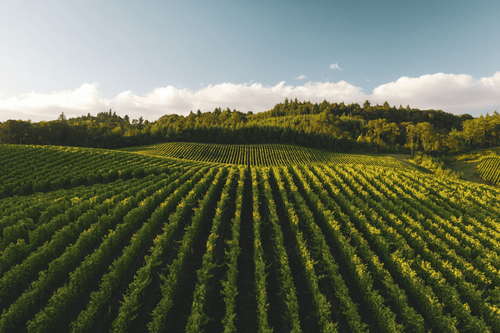
Seed Credits, as conceptualized in the Sweet Economy, are backed by tangible assets, offering stability against inflation or other economic downturns. Users have the autonomy to select the assets backing their credits, making it a shield against unpredictable economic scenarios, such as currency hyperinflation. These credits aren't directly owned by the user; rather, they dictate the type of asset class the system uses to represent their credit's value. Much like farmers in ancient Israel had to labor over their fields to ensure a bountiful harvest, in the Sweet Economy, individuals must actively engage in commerce, creating 'CROP', to continuously earn Seed Credits.
As the Sweet Economy grows, participants reap the benefits. These credits function like a renewable resource, returning even if they are spent, gifted, or invested, guaranteeing that value always comes back to the user. This transformative economic model mimics the cyclical, regenerative nature of agricultural systems in ancient Israel, ensuring that participants remain active contributors rather than passive beneficiaries. The end game? Reduced living costs for everyone, fostering an ever-growing economic landscape where spending within this ecosystem eventually leads to more benefits. The Sweet Economy, underpinned by Seed Credits, fundamentally shifts our understanding of economic growth and stability.