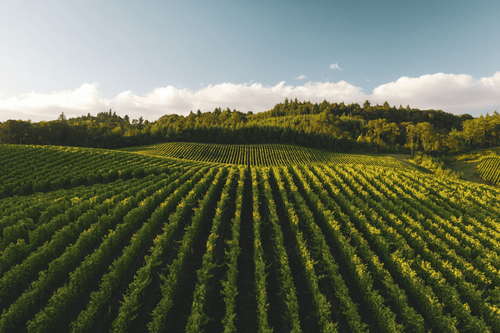
Drawing parallels between ancient Israel's land ownership system and the modern 'Sweet Economy', a fascinating economic evolution emerges. In ancient Israel, while the permanent loss of land was an impossibility, residents had the option to lease their territories until the Year of Jubilee, which recurred every 50 years. Bringing this concept into a 21st-century context, the Sweet Economy integrates this principle via a digital loyalty rewards system. Just as the Israelites had the 'Right of Use' for their land, ensuring they profited from its yield, the Sweet Economy provides 'Squares'. These digital units symbolize an individual's right to a share of the global economy’s profits. The associated 'Yield Right' permits users to capitalize on the monthly dividend these Squares yield.
In this modern framework, the 'Seed Credits' function as a metaphor for the crop yield from Israelite lands. However, to keep the flow of these credits consistent, an individual must consistently engage in commerce that nurtures the 'CROP' - the economic activity driving this ecosystem. Maintaining this commerce, much like the relentless farming in ancient Israel, ensures a continuous harvest of benefits. Interestingly, while the traditional 50-year cycle of the Year of Jubilee held significance in Israel, the Sweet Economy adopts a more flexible 25-year cycle, representing the average time an Israelite could lease their land. This deviation seeks to accommodate participants joining the system at varied intervals, offering a balanced blend of historical accuracy and present-day practicality.
Yet, it's crucial to understand the non-cryptocurrency nature of these Squares and Yield Rights. While they utilize Distributed Ledger Technology, similar to blockchain, they are asset-backed, providing them with tangible value. Their design ensures they represent real-world value and economic activity, far removed from the speculative nature of many cryptocurrencies. Rooted in principles from ancient Israel, these digital assets of the Sweet Economy offer a blend of historical wisdom with the dynamism of modern economic practices, all geared towards creating a fair and resilient financial ecosystem.